Formulas
Calculator pages will show the formula behind the result when a verified formula is used.
Calculate roof pitch, square footage, rafter length, roofing materials and project costs with practical tools built around clear measurements.
Start with the tools homeowners, estimators and builders use most for roof measurement, materials and early cost planning.
Roof Geometry
Calculate roof pitch, slope and angle from rise and run.
Roof Geometry
Calculate roof area from dimensions, pitch and individual roof sections.
Rafters & Framing
Calculate common rafter length from span, pitch and overhang.
Roofing Materials
Estimate roofing squares, bundles and shingles with waste included.
Roof Cost
Estimate asphalt-shingle roof costs with guided pricing or local rates.
Roof Cost
Compare planning costs for four common residential steel roof systems.
Practical references for measuring a roof, understanding calculator inputs and planning material quantities.
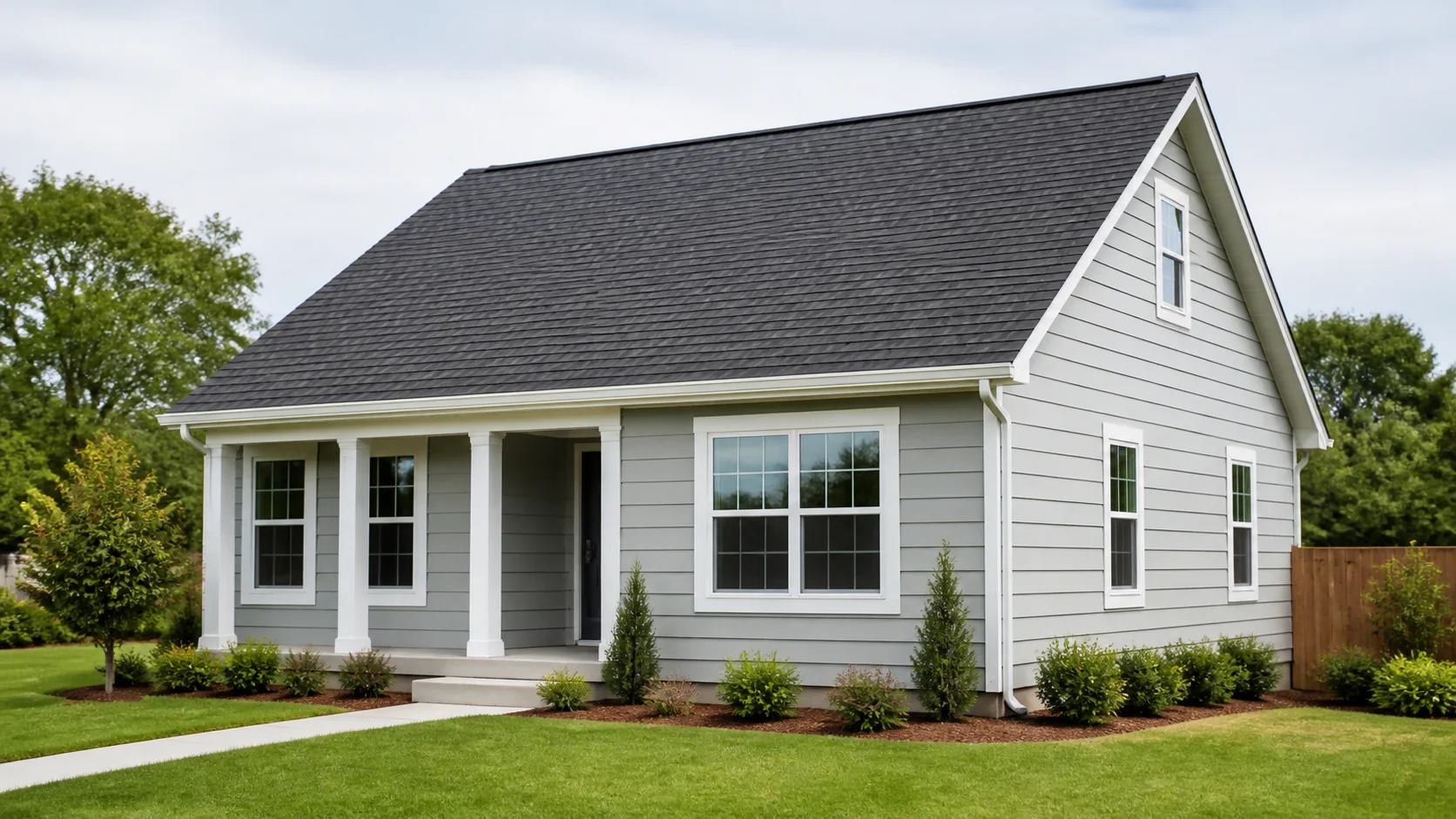
Understand gable roof parts, types, measurements, advantages, and wind considerations.
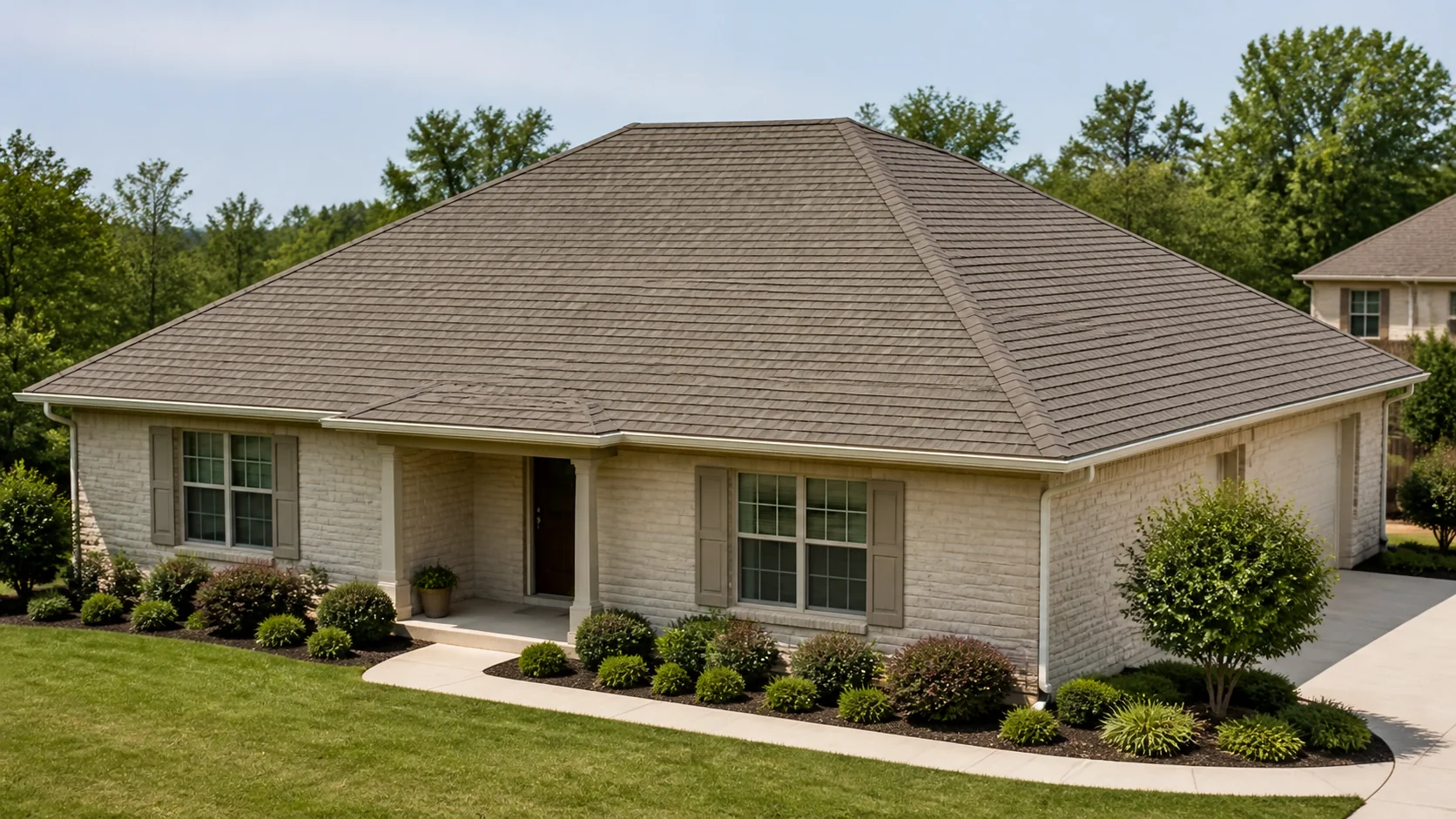
Identify hip roof parts, types, measurements, advantages, and planning considerations.
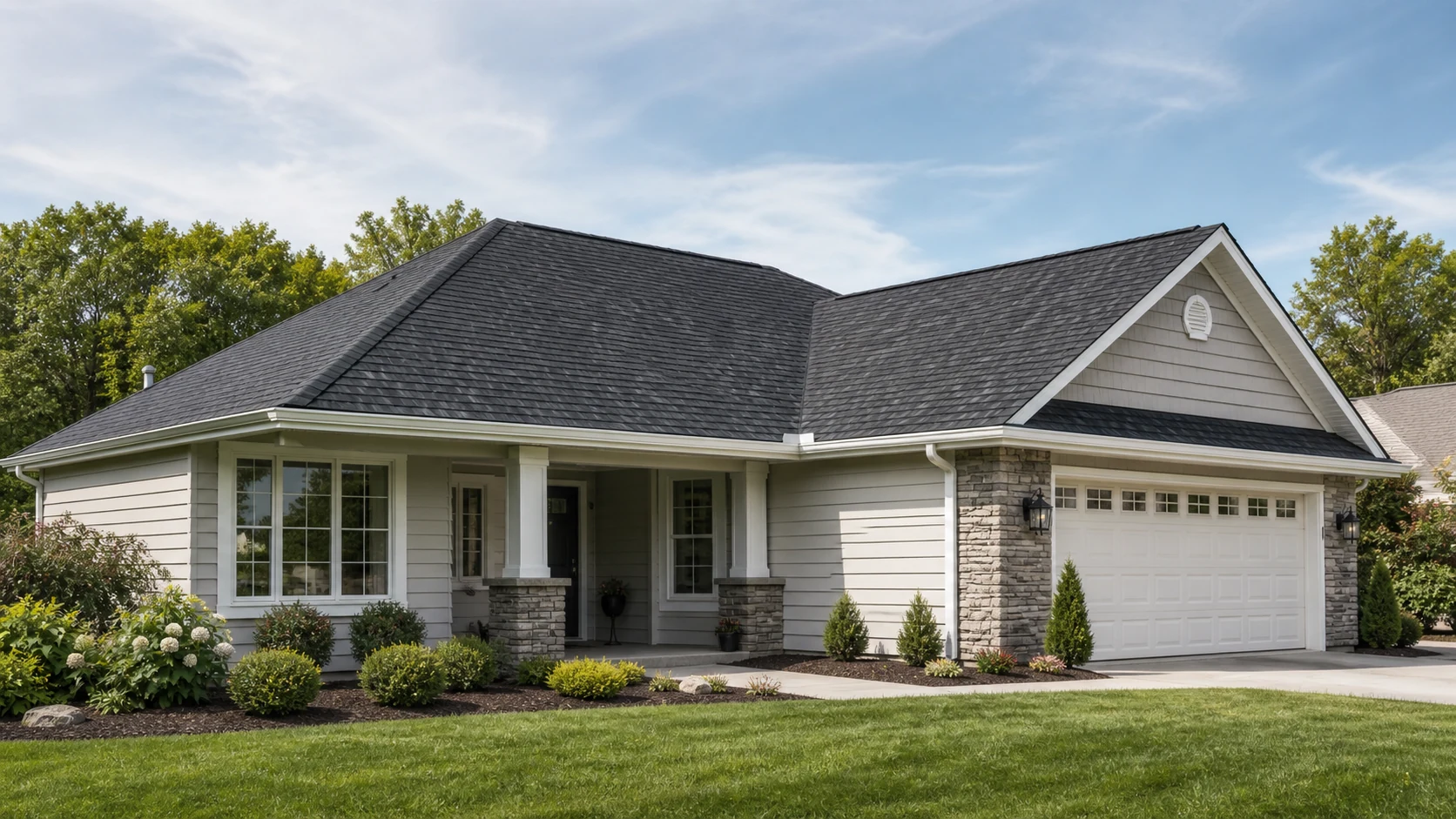
Compare asphalt shingle types, roof-system components, ratings, advantages, and limitations.
Start with the measurement or planning question you have. Each row points to the strongest calculator for that task.
Roofing labor, materials, climate and market conditions vary by location. Select your state to begin a local roof cost estimate.
Roof Calculator Hub brings roof measurement, material and cost calculations into one place. Use these roof calculators to determine roof pitch and slope, estimate roof square footage, calculate rafter length, convert roof area into roofing squares and material quantities, and plan roof replacement costs.
Each tool is built around the measurements that affect the result. Where assumptions are required, they are shown clearly so you can understand how the estimate was produced. For complex roofs, divide the roof into individual sections and calculate each area separately before combining the results.
Start with the measurement you already know, then move between related calculators as your project develops. Clear formulas, visible assumptions, and practical estimates keep each result useful for planning and review.
Calculator pages will show the formula behind the result when a verified formula is used.
Inputs and outputs will make roof measurements, angles and material units explicit.
Waste factors, defaults and scope limits will be visible instead of hidden in the interface.
Roof geometry visuals will clarify rise, run, slope, area and framing relationships.
Quick answers about roof measurements, estimates, pitch, area, and material calculations.
Accuracy depends on the measurements and assumptions entered. Roofing calculators are useful for planning and estimating, but they do not replace an onsite professional assessment when one is required.
Roof pitch compares vertical rise with horizontal run. In the US, it is commonly expressed as inches of rise per 12 inches of run. Use the Roof Pitch Calculator to calculate pitch and angle from your measurements.
Roof area depends on plan dimensions and roof slope or pitch. Complex roofs may need to be divided into separate sections. The Roof Square Footage Calculator helps organize those measurements.
One roofing square equals 100 square feet of roof area. Material estimates normally also need an appropriate waste allowance for cuts, overlaps, and roof complexity.
Price depends on roof size, material, complexity, labor, and location. Review the state roof-cost planning section to organize the location-specific variables behind an estimate.
Yes. Labor rates, disposal costs, climate, codes, and regional material pricing can affect estimates, which makes location-specific planning useful.